
The Plan: Organize For Power
-
1) Educate
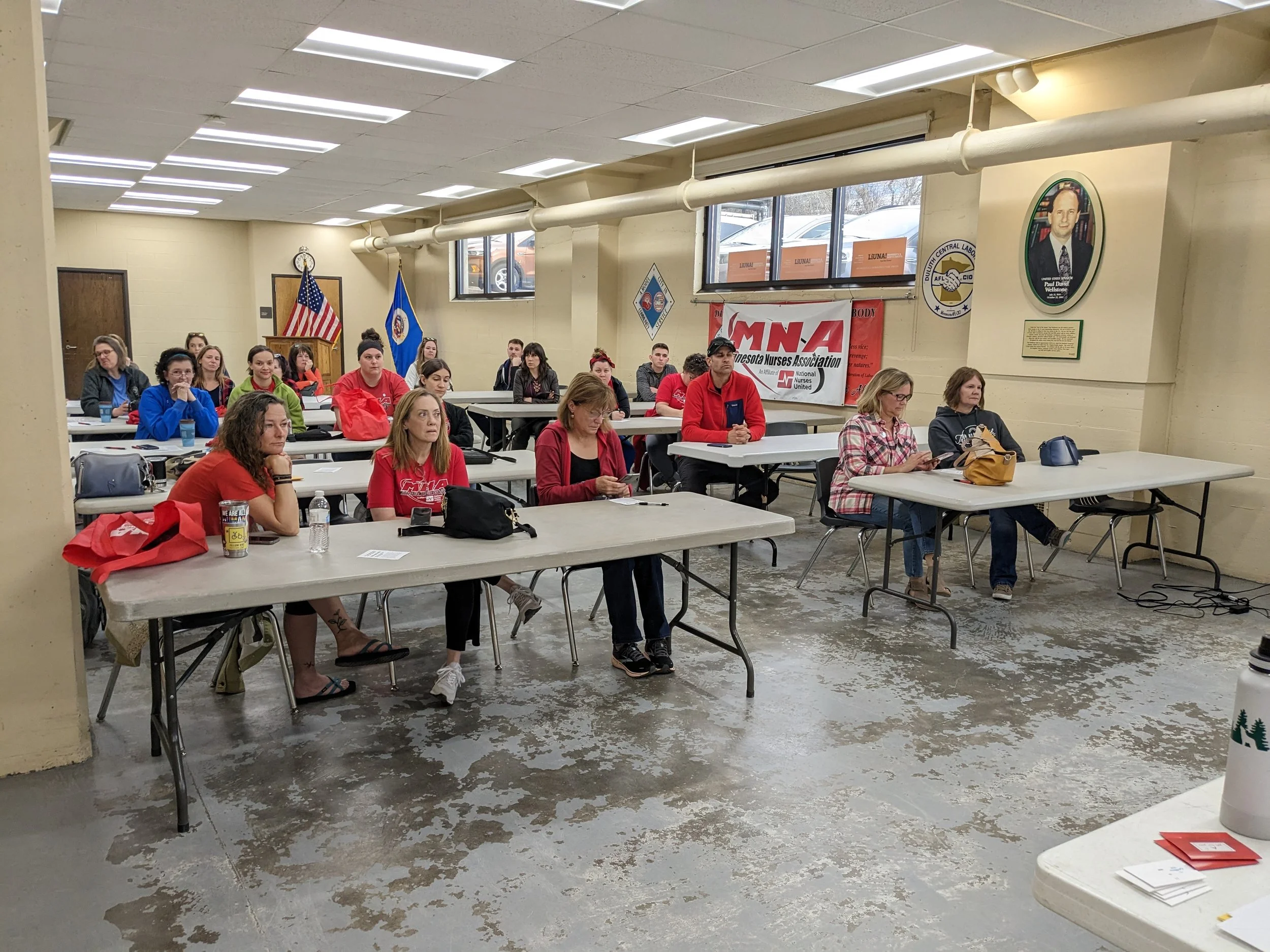
Use new tools and technology to educate ourselves and each other. Teaching new organizing skills, training for Stewards and Chairs, and classes from the Racial Diversity Committee and Mental Health Committee will prepare us for the work ahead. We can build on our new tools like the online on demand educational platform to ensure these opportunities are available to all our members across the region. This means:
-Providing robust and uniform education to all new members on our Union, how to get involved, and organizing
-Have Steward training available in person and online via the online on demand educational platform MNA has adopted
-Create and Educate EWOC members (Emergency Workplace Organizing Committee) to have organizing skills and be ready to be deployed to multiply our strength on short notice.
-Ensure members have access to training on the basic functions and branches of MNA so that any member can advocate for their bargaining unit and effect change
-Integrate training from the Racial Diversity Committee on racial bias and non discrimination into all our classes
-Invite nurses from non-union facilities near our bargaining units to participate in introduction Union training to sow seeds for future organizing
-
2) Engage
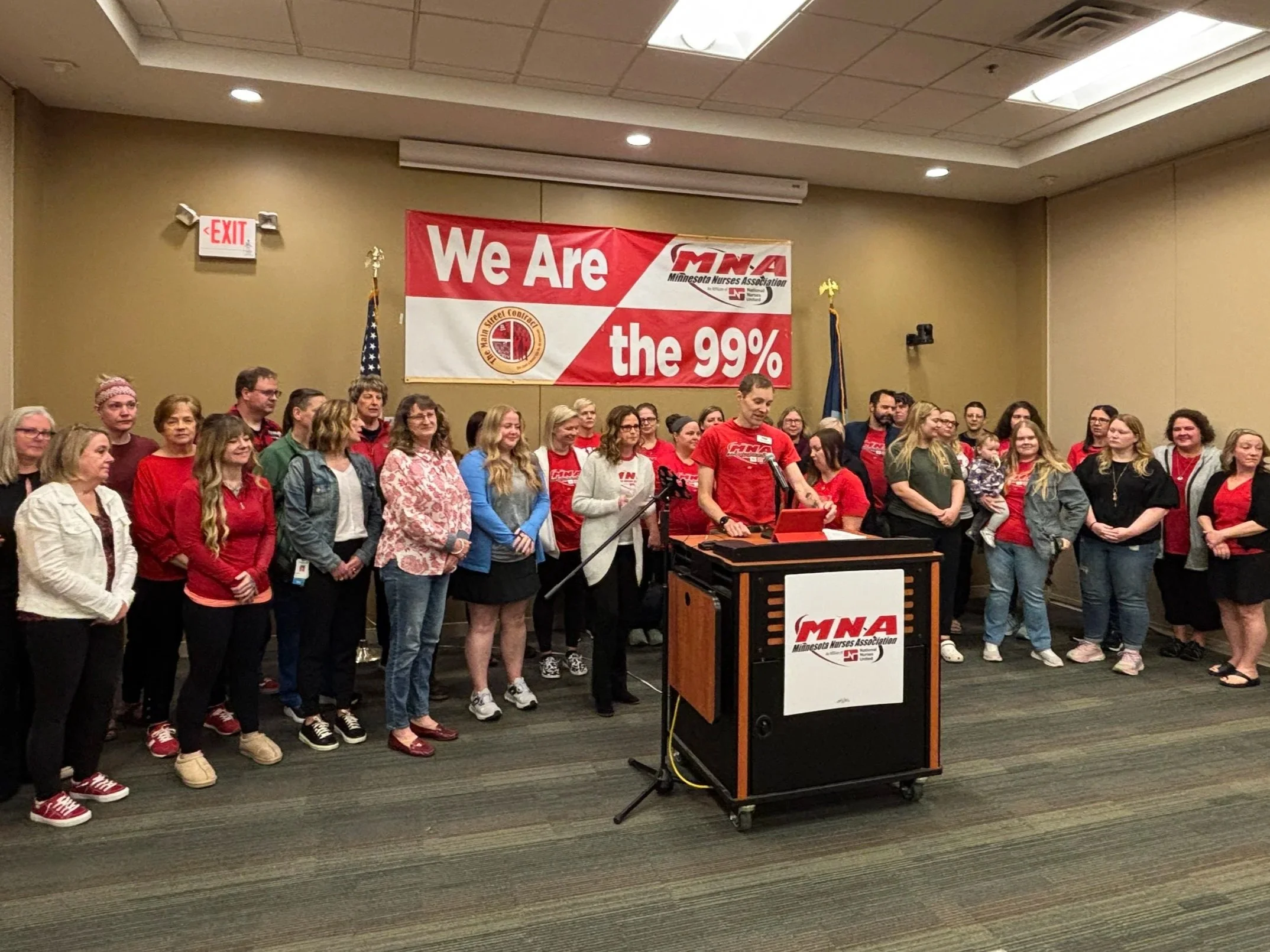
Breaking down barriers to participation is the key to engaging members and unleashing our full power. That’s why Chris has championed policies and practices to increase member participation and inclusion. From overseeing the implementation of the new online on demand educational platform and the creation of MNA’s first COPE (Committee on Political Education) to writing the bylaw amendment guaranteeing remote access to all State Board, Committee, and Commission meetings, and developing the new “Screening and Endorsements Committee” adding new opportunities for members to get involved. We must continue to seek ways to actively invite each and every member into our work. We can continue to do this by:
-Increasing outreach and recruitment for elections and appointments to leadership roles so more members are participating in our work.
-Recruit members for a new EWOC (Emergency Workplace Organizing Committee) so we have a trained force ready to help organize internally or externally wherever we need
-Have more frequent two way communications and forums members so that we are meeting the needs of every bargaining unit near and far. We can’t assume what we do now is what members still want and need.
-Build relationships with other Unions to reinforce worker power at the bargaining table.
-Grow coalitions with community groups to bargain for the common good and increase broad pressure on corporate health care systems that don’t work for workers or patients.
-Use these coalitions to advance pro worker pro community policies at the state legislature like unemployment for striking workers, state trigger laws that would take effect if the NLRB dissolves, increased accountability and transparency laws health care corporations, and state wide staffing ratios.
-
3) Empower
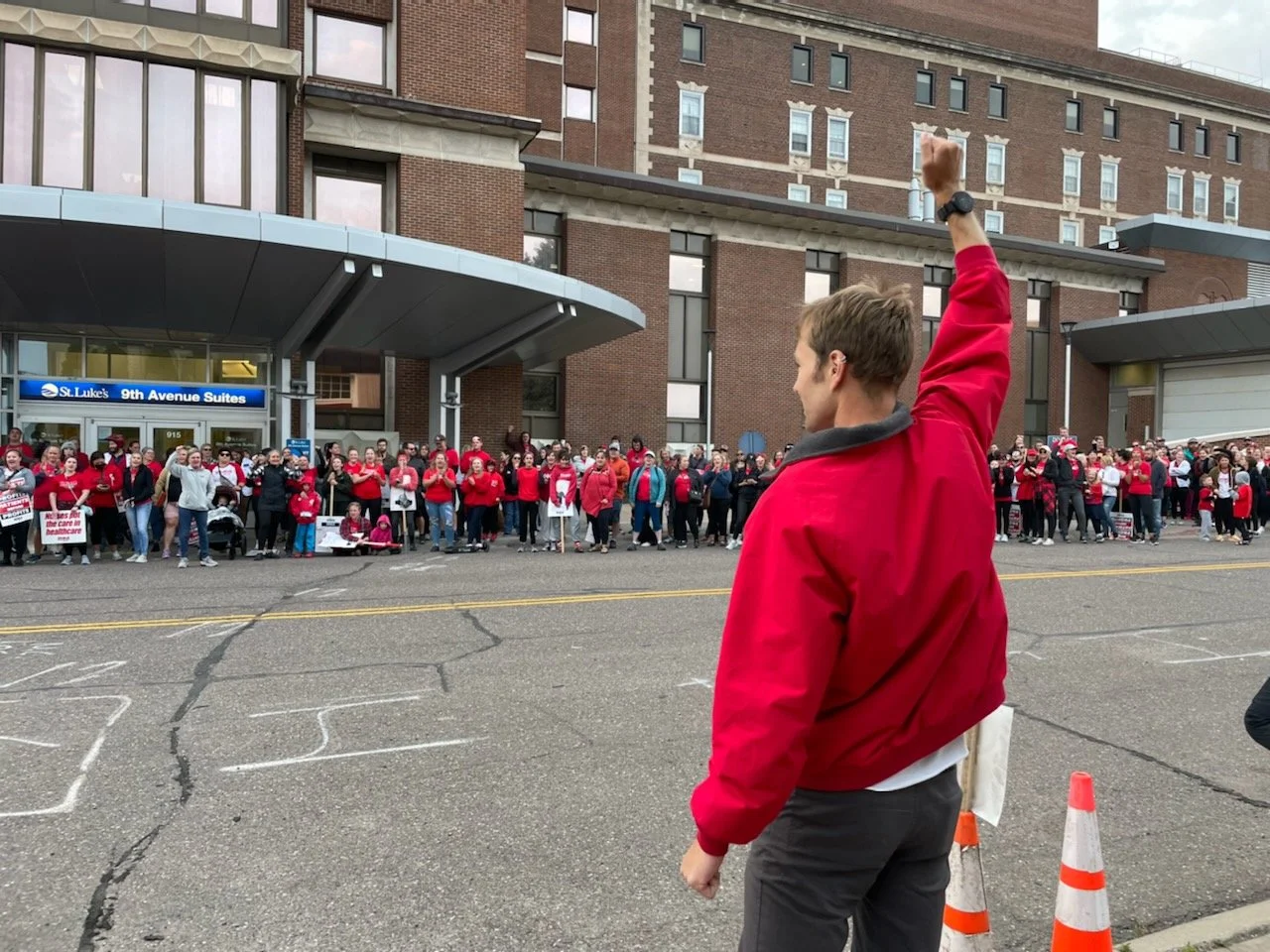
With the skills and knowledge to organize and the active invitation to participate, our members will be fully empowered to take action. Like our CAT teams planning new campaigns or members taking direction on their units and avoiding the “grievance mill” process . Simply put: Educated and engaged members are empowered members. We can:
-Build a new EWOC (Emergency Workplace Organizing Committee) to help local Bargaining Unit leaders fight internal and external threats everywhere.
-Mentor new member-leaders so that we have a deep bench ready to carry on our work for years to come
-Empower nurses to take direct action on their units and in their bargaining units to solve problems rather than rely on staff and the grievance mill.
-Build structures so that members can directly communicate across bargaining units and health care systems.
-Empower units to build stronger ties to other facilities within shared health care systems.
-Empower our Committees and Commissions to take the lead in their work and ensure they have the resources they need to succeed.
-Empower our members to be the next generation of Union and Community leaders encouraging new voices to run for leadership positions in our Bargaining Units, State leadership, and even for public office!